


How Campus Communication Systems Improve Safety and Event Coordination
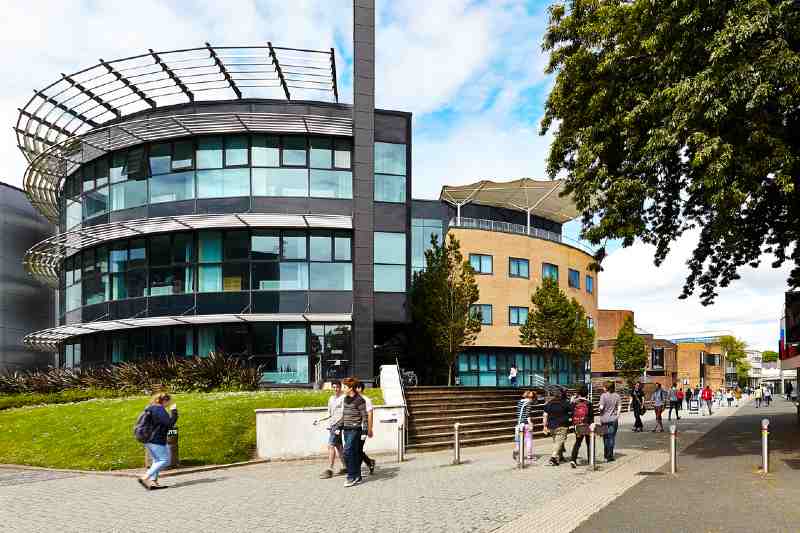
If you’ve ever managed a busy school campus, you’ll know how quickly small issues can escalate. A last-minute room change. A delivery that’s gone missing. A medical situation during sports day. A sudden weather warning just before an outdoor event.
Campuses are constantly moving environments. Students transition between buildings, staff work across departments, and events can involve hundreds or even thousands of people. In situations like these, relying purely on emails or mobile phones often falls short.
This is where a campus communication system becomes essential. Designed to keep teams connected in real time, these systems support both daily operations and critical incident response.
Let’s explore how the right system can improve safety, streamline event coordination, and give your campus teams the confidence to respond quickly when it matters most.
Why Communication Is Critical on Campus
A campus is more than lecture halls and offices. It’s a network of:
- Academic departments
- Security personnel
- Facilities and maintenance teams
- Event coordinators
- Student support services
- Sports and recreation staff
Each group plays a role in maintaining safety and operational flow.
Without instant communication, small disruptions can quickly escalate. If an alarm activates, security needs immediate confirmation. If an open day draws unexpected crowds, coordinators must redirect staff instantly.
A reliable campus communication system ensures messages are delivered clearly, instantly, and to the right people.
Strengthening Campus Safety in Real Time
Safety is always the top priority for educational institutions. Whether it’s safeguarding students or managing emergencies, effective communication is the backbone of response.
1. Faster Emergency Coordination
In critical moments, delays can create confusion.
Two-way radios and integrated systems allow teams to:
- Alert security immediately
- Request medical support
- Coordinate evacuations
- Confirm building status updates
Unlike mobile phones, which rely on network capacity, dedicated systems offer instant push-to-talk functionality. There’s no dialling, no waiting, and no risk of congested lines during peak activity.
2. Department-Specific Channels
A well-structured campus communication system can assign channels to specific teams, such as:
- Security
- Facilities
- Event management
- Senior leadership
This prevents cross-talk and ensures important messages aren’t missed in crowded communication streams.
3. Reliable Coverage Across Large Sites
University campuses can span multiple buildings and extensive outdoor areas. Mobile reception often struggles in basements, sports halls, or older buildings with thick walls.
A professionally installed communication system ensures full site coverage, so staff are never left disconnected.
Supporting Seamless Event Coordination
Campuses frequently host events such as:
- Open days
- Graduation ceremonies
- Conferences
- Sports competitions
- Community gatherings
Each event requires coordination across several departments.
Imagine a graduation ceremony in progress. Students are lining up, guests are arriving, catering is preparing refreshments, and security is monitoring entrances. If schedules shift or unexpected issues arise, teams must respond instantly.
A campus communication system enables staff to:
- Confirm timing adjustments
- Direct visitors efficiently
- Address logistical challenges
- Maintain smooth event flow
Instead of chasing updates through calls or emails, teams stay connected in real time.
Improving Daily Operations Beyond Emergencies
While emergency readiness is crucial, everyday efficiency also benefits.
For example:
- Maintenance teams can respond quickly to reported issues.
- Cleaning staff can coordinate between buildings.
- Security can monitor multiple areas more effectively.
- Administrative staff can communicate during peak enrolment periods.
Instant communication reduces delays, minimises misunderstandings, and keeps operations running smoothly.
Over time, this creates a safer, more organised campus experience for both staff and students.
Why Not Just Use Mobile Phones?
It’s a fair question.
Mobile phones are convenient, but they come with limitations in campus environments:
- Network congestion during large events
- Call delays
- Poor indoor reception
- One-to-one communication rather than one-to-many broadcasting
A dedicated campus communication system is designed specifically for operational coordination. It allows instant group messaging, emergency alerts, and greater reliability when it counts.
What to Look for in a Campus Communication System
If you’re evaluating your options, consider systems that offer:
- Strong signal coverage across all campus areas
- Long battery life for full-day operation
- Durable equipment suitable for outdoor and indoor use
- Multiple communication channels
- Emergency alert features
The right system supports long-term safety, efficiency, and growth.
Building a Safer, More Connected Campus
Communication underpins everything that happens on campus. From routine maintenance to large-scale events and emergency response, the ability to connect instantly changes outcomes.
A well-implemented campus communication system improves coordination, strengthens safety protocols, and supports smoother day-to-day operations. More importantly, it gives your teams clarity and confidence in high-pressure situations.
When staff know they can reach each other immediately, decision-making becomes faster and more controlled.
Frequently Asked Questions
What is a campus communication system?
A campus communication system is a dedicated solution, often using two-way radios or digital communication devices, that enables instant communication between staff across an educational site.
How does it improve campus safety?
It allows immediate alerts, coordinated emergency responses, and real-time updates between security, facilities, and leadership teams. This reduces response times and minimises confusion during incidents.
Can it cover large university campuses?
Yes. Professional systems are designed to provide strong coverage across multiple buildings and outdoor areas, including locations where mobile reception may be weak.
Is it suitable for both schools and universities?
Absolutely. Whether it’s a primary school, secondary school, college, or university, a campus communication system can be scaled to suit the size and complexity of the site.
How is it better than mobile phones?
Unlike mobile phones, these systems provide instant push-to-talk functionality, group communication, and reliable coverage without relying on public mobile networks.
Ready to Upgrade Your Campus Communication?
If your current setup relies heavily on mobile phones or fragmented communication tools, it may be time to reassess.
A modern campus communication system can strengthen safety protocols, streamline events, and support smoother operations across your entire site.
At CarTel, we help educational institutions across the UK implement reliable, scalable communication solutions tailored to their specific needs. Whether you’re planning ahead for major events or reviewing your safety infrastructure, our team can guide you through the right options.
Get in touch today to discuss how we can help you build a safer, more connected campus.
Walkie Talkies for Outdoor Sporting Events: The UK Organiser’s Essential Guide

Two-Way Radios for Music Festivals: What UK Organisers Need to Know in 2026