


Two-Way Radios for Music Festivals: What UK Organisers Need to Know in 2026
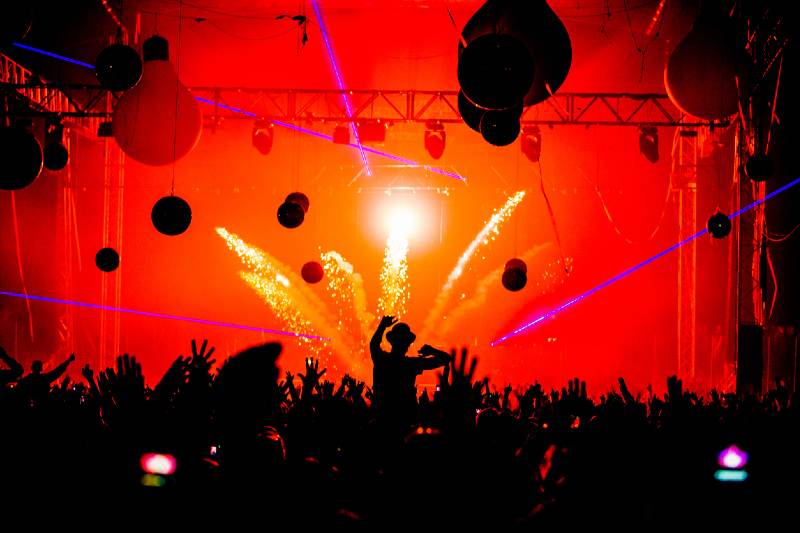
A music festival can look brilliant from the crowd and still feel one step away from chaos behind the scenes.
That is the nature of live events. Gates open, queues build, weather shifts, traders need support, artists arrive on tight schedules, and security teams are watching several things at once. In that kind of environment, Two-Way Radios for Music Festivals are not just useful. They are part of what helps the day stay controlled, responsive, and safe.
For UK organisers in 2026, that matters as much as ever. The fundamentals of event delivery have not changed. You still need clear roles, reliable communication, and a fast way to respond when something on site changes without warning. HSE guidance continues to stress that crowd incidents can develop quickly and that effective communication helps staff respond in a rapid and organised way. (hse.gov.uk)
If you are planning a festival this year, here is what you need to know before choosing a radio setup.
Why music festivals need stronger communication than many other events
A music festival is rarely a simple site.
You may be working across entrances, car parks, bars, welfare points, technical areas, artist access routes, campsites, food stalls, and stage-adjacent zones. Some teams are public-facing. Others are moving in the background. Some need constant updates. Others only need to hear urgent traffic.
That is why Two-Way Radios for Music Festivals are so widely used. They let teams communicate instantly across a live site without depending on someone answering a call or checking a message. HSE’s event safety guidance specifically points to the need for effective information flow between staff involved in crowd management and notes that a control point may rely on basic communication equipment such as telephones and two-way radios. (hse.gov.uk)
If you want a broader primer before getting into festival-specific planning, Cartel’s guide to radios for events is a useful place to start.
In 2026, mobile phones are still not enough
Most organisers already know this in practice, but it is worth saying clearly. Phones are helpful, but they are not a great primary coordination tool for a busy festival.
They are slower for group communication. They rely on public networks. They are awkward when staff need to update several people at once. On a crowded site, those weaknesses show up quickly.
HSE’s guidance on crowd controls makes the point in a practical way: organisers need effective staff communication during normal operations and emergencies, and they should provide backup for potential failure of electrical communications systems, including spare batteries, mobile phones, and two-way radios. That wording is useful because it frames communications as a layered system, not a single device choice. (hse.gov.uk)
That is also why Cartel’s own article on festival radio hire leans so heavily on push-to-talk speed, channel planning, and site coverage for live events.
What organisers actually need to plan
A radio system only works well when it is matched to the reality of the site.
1. Plan by team, not just by headcount
A common mistake is to think only about how many radios you need. What matters just as much is who needs to speak to who.
Security, medics, site management, bar operations, production, traffic marshals, and stewarding teams do not all need the same communication flow. Larger events often work best when channels are split by role, with one route reserved for emergencies or control. Cartel’s event guidance and festival planning content both point to channel allocation and clear etiquette as a big part of keeping site comms usable under pressure. (CarTel – Mobile Communications)
If your teams are new to radios, a simple guide to walkie talkie codes can also help keep messages short and clear.
2. Think about coverage before the event day
Festival sites do not behave the same way all over.
Open ground may be fine, but signal can be affected by structures, distance, staging, service compounds, vehicle routes, and busy public areas. That is why Two-Way Radios for Music Festivals need to be planned around the actual site rather than generic range claims.
Cartel’s festival article notes that larger events may need stronger radios or repeaters to keep teams connected across wide or more complicated layouts. (CarTel – Mobile Communications)
This is one of the main reasons early planning helps. It gives you time to spot weak areas before they become operational problems.
3. Battery life and accessories matter more than people expect
A long event day puts pressure on equipment.
If your teams are on shift from setup through live operations and into breakdown, you need battery life that actually fits the working day. Spare batteries, chargers, earpieces, and carry accessories can make a noticeable difference once the site gets busy. HSE guidance also specifically mentions spare batteries as part of communication resilience planning. (hse.gov.uk)
This does not sound glamorous, but it is exactly the kind of practical detail that helps a festival run smoothly.
4. Training and radio discipline are part of the system
Even good equipment becomes frustrating if everyone talks over each other.
The Purple Guide remains a core industry resource for health, safety and welfare at music and other events, and HSE guidance continues to emphasise suitable information, instruction, training, supervision, and clear command structures for event staff. (The Purple Guide)
In practice, that means giving staff a clear idea of:
- which channel they should use
- who they report to
- what counts as urgent traffic
- how to keep messages short and specific
For many organisers, that alone improves radio use more than buying more kit.
Licensing is one of the 2026 details worth checking early
This is the bit many teams leave until late.
Depending on the equipment and frequencies being used, licensing may be part of the setup. Ofcom’s current guidance explains that business radio licensing is handled through its business radio framework, while PMSE licensing applies to certain wireless microphones, talkback and production services directly associated with performances and events. (www.ofcom.org.uk)
You do not need to become a licensing expert yourself, but you do need to make sure the issue has been considered properly. If you are hiring rather than buying, this is something worth clarifying with your supplier at the planning stage rather than a few days before the festival opens.
Why this still matters in 2026
The tools keep improving, but the core issue is the same. Music festivals are fast-moving, layered environments where a lot of separate teams need to act like one operation.
That is why Two-Way Radios for Music Festivals still matter. They support crowd management, faster escalation, clearer coordination, and a more professional feel across the whole site. HSE’s event pages continue to frame communication, incident planning, and command structure as central parts of running events safely, and that aligns closely with how experienced organisers already work in practice. (hse.gov.uk)
FAQs
Why are two-way radios better than mobile phones at music festivals?
Radios allow instant push-to-talk communication, quicker group updates, and less dependence on public mobile networks. That makes them more practical for live operational coordination on busy sites. (hse.gov.uk)
Do all music festivals need a dedicated radio plan?
Any festival with multiple teams, zones, entrances, or safety responsibilities will usually benefit from one. The more complex the site, the more valuable structured radio use becomes. (hse.gov.uk)
What teams usually need radios at a festival?
Security, medics, site management, production, stewarding, traffic teams, trader support, and key supervisors are common examples. Channel structure should be planned around roles rather than simply issuing radios at random. (CarTel – Mobile Communications)
Do festival organisers need to think about licensing?
Yes, in some cases. Ofcom provides separate guidance for business radio licensing and PMSE licensing for certain event-related wireless equipment and talkback services. (www.ofcom.org.uk)
Is radio hire a better choice than buying for festivals?
For many organisers, yes. Hire can make sense for seasonal or one-off events because it gives access to suitable equipment without the cost and admin of owning a full system year-round. Cartel’s event content highlights hire as a practical option for festivals and other temporary events. (CarTel – Mobile Communications)
Get your festival comms sorted before site pressure builds
If you are planning ahead for the season, now is the right time to review how your teams will actually communicate when the site is live.
The right setup for Two-Way Radios for Music Festivals can help you manage pressure more calmly, keep teams aligned, and respond faster when the unexpected happens. If you want a starting point, take a look at Cartel’s guide to festival radio hire, browse the wider Event Communications section, or explore the basics inradios for events. When you are ready to talk through your site and your team structure, visit Cartel and speak to the team about the right setup for your 2026 festival season.
Walkie Talkies for Outdoor Sporting Events: The UK Organiser’s Essential Guide
Two-Way Radios for Music Festivals: What UK Organisers Need to Know in 2026