


Festival Ready: Why Early Radio Hire is Critical for a Seamless Summer Event Season
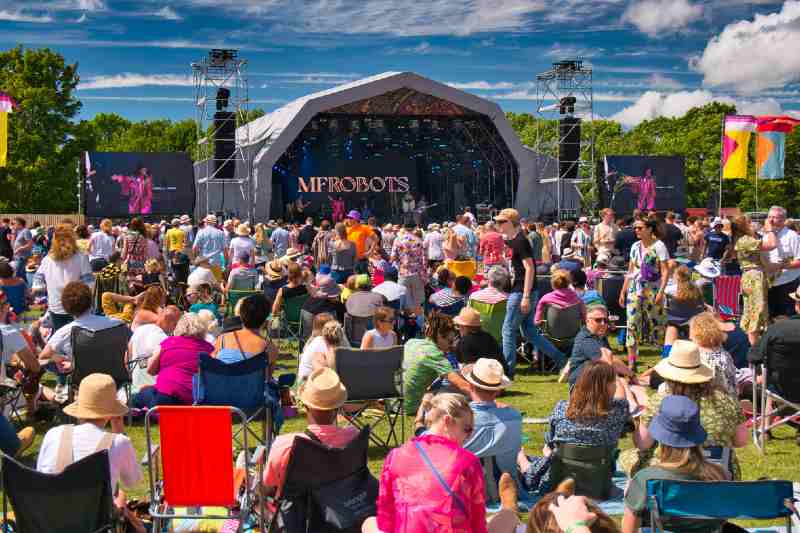
Summer events look effortless when they are done well. Guests arrive, stewards know where to be, vendors are set up on time, security stays visible without causing friction, and the whole day moves with a sense of control.
Behind that smooth experience, though, there is usually a lot happening at once.
You might be managing entry points, car parks, production teams, first aid, traders, waste collection, power issues, weather changes, and a wave of temporary staff who are only joining you for the busiest part of the season. In that environment, Radio Hire is not something to leave until the final week. The earlier you sort it, the easier it is to keep your event organised from the first briefing to the final pack-down.
If you are planning a summer festival, outdoor show, food event, sports fixture, or community celebration, here is why booking your radios early can save you a lot of pressure later on.
Summer events put more pressure on communication
The summer season is busy for everyone in events. Venues have packed calendars. Suppliers are in high demand. Staffing can change quickly. A site that feels manageable on paper can become far more complex once the public arrives.
That is why reliable communication matters so much.
UK event guidance already places strong emphasis on planning roles, responsibilities, crowd safety, and incident procedures. Good communication supports all of that in practice, especially when teams are spread across a large site or need to respond quickly to changing conditions. See the HSE guidance on managing crowds safely and the Purple Guide for the broader event safety context. (HSE)
A strong Radio Hire setup helps your team stay connected without relying on mobile phones, which can be slow, unreliable, or awkward to use in the middle of a live event.
Leaving radio hire late creates avoidable problems
It is easy to think radios are a simple box to tick near the end of planning. In reality, late booking can create problems you could have avoided.
1. The best equipment may already be allocated
Summer is peak season. If you leave Radio Hire too late, you may have fewer options when it comes to handset numbers, accessories, batteries, or the right setup for your site.
That matters more than people think. A village food fair and a multi-zone festival do not need the same radio plan. Some events can work perfectly well with a straightforward handheld setup. Others need stronger coverage, separate channels, or repeaters to avoid dead spots. Cartel’s own event guides regularly point to site size, team structure, and coverage needs as key parts of choosing the right system. See A Guide to Using Communication Radios for Events or our piece on festival radio hire.
Book early, and you have a better chance of getting equipment that actually fits the job.
2. You need time to plan who talks to who
A radio system works best when it is planned around your event structure.
Security may need one channel. Stewards may need another. Production, car park marshals, site management, and first aid may all need separate ways to communicate while still being able to escalate quickly when needed.
That sort of planning is much easier when you are not rushing. Early Radio Hire gives you time to think through who needs a radio, which teams should share channels, who controls communications, and where backup units should go.
When that work is done ahead of time, the event feels calmer on the day. Staff are not wasting time asking basic questions over the wrong channel, and important messages are less likely to get buried in chatter.
3. Seasonal staff need simple systems from the start
Summer events often rely on temporary staff, volunteers, and short-term contractors. They may be capable and enthusiastic, but they still need tools that are easy to use.
That is another reason to organise Radio Hire early. It gives you time to include radios in staff briefings, explain basic call etiquette, and make sure team leaders know how the communication flow should work.
For busy event days, simple push-to-talk communication is often much more practical than expecting temporary staff to manage calls, texts, or app notifications while working in a noisy environment. We also highlight how radio use can support onboarding and day-to-day coordination when teams need to get up to speed quickly.
Early booking helps you spot coverage issues before the event
One of the biggest mistakes in event planning is assuming all parts of the site will behave the same way.
A main arena might be fine, but what about the service road behind the stage? The far edge of the campsite? The vendor area tucked behind a row of units? The car park across the road? These are the places where communication problems usually show up.
Booking Radio Hire early gives you room to think properly about coverage. If your event needs stronger handhelds, extra batteries, earpieces, or repeaters, it is much better to identify that during planning than halfway through the first day of the event.
This is especially important for festivals and larger outdoor sites, where distance, structures, and crowd density can all affect how smoothly teams communicate. Larger festival layouts may need more robust setups or repeaters to maintain full coverage.
It also makes the whole event feel more professional
Guests may never notice your radios directly, but they will notice the result.
They notice when queues move properly. When lost children are handled quickly. When traders get support without hunting someone down. When security teams respond quietly and efficiently. When production adjustments happen without confusion. That kind of smoothness rarely happens by accident.
Early Radio Hire helps create that result because it gives your team structure. Everyone knows how to get help, how to escalate a problem, and how to stay aligned when the site gets busy.
It is one of those decisions that quietly improves the whole day.
Why radios still beat mobile phones at live events
Mobile phones have their place, but they are rarely the best primary tool for live event coordination.
Calls take longer. Group updates are clumsy. People miss messages. Signal can struggle when crowds build up. Radios are faster. You press a button, speak, and the right people hear it.
That is why so many organisers still rely on them for live operations. If you are already planning logistics, staffing, access control, and safety processes in detail, it makes sense to plan communication with the same level of care.
FAQs
Why is early Radio Hire better than booking at the last minute?
Early booking gives you better access to the right equipment, more time to plan channels and user groups, and less risk of scrambling for extra units during peak season.
What kinds of summer events benefit from radio hire?
Festivals, food fairs, sports events, open-air concerts, community events, agricultural shows, corporate outdoor events, and busy venue activations can all benefit from radios.
How many radios do I need for an event?
It depends on your site size and team structure. Security, stewards, production, car parks, first aid, and management often need their own users or channel access.
Can radios help with event safety?
Yes. Good communication supports faster incident response, better coordination, and clearer team control, which all contribute to safer event operations. (HSE)
Are radios better than mobile phones for festivals?
For live coordination, usually yes. Radios offer instant push-to-talk communication and are far more practical for fast-moving event environments than repeated phone calls or messaging.
Get Ahead of the Summer Rush
If your event calendar is already filling up, this is the right time to get your communication plan in place.
Sorting your Radio Hire early means less stress, better coverage planning, smoother staff coordination, and a more professional event on the day. It also gives you the breathing room to choose a setup that suits your site instead of settling for what is left.
At Cartel, we help organisers across the UK find reliable radio solutions for festivals, outdoor events, and seasonal operations. You can explore more event advice in our guide to radios for events or browse the latest posts in our Event Communications section. When you are ready to talk through your requirements, speak to our team about the right hire setup for your summer season.
Walkie Talkies for Outdoor Sporting Events: The UK Organiser’s Essential Guide
Two-Way Radios for Music Festivals: What UK Organisers Need to Know in 2026