


Two Way Radios for Construction Sites: 7 Safety Benefits You Can’t Ignore
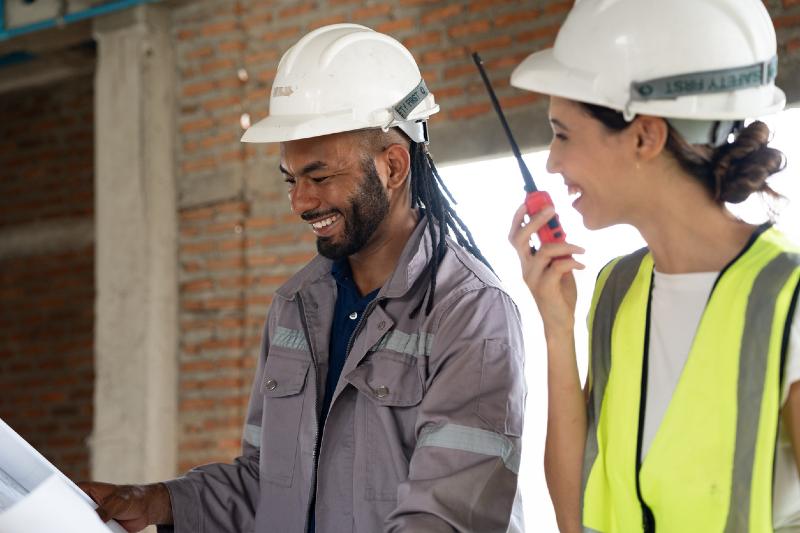
When managing a construction site in the UK, effective communication can mean the difference between a safe workplace and a potentially dangerous one. Two way radios for construction sites have become essential safety tools, enabling instant coordination across sprawling sites, multiple floors, and noisy environments where mobile phones simply can’t compete.
From reducing accident risks to improving emergency response times, here’s why construction managers across Britain are making radio communication their top priority.
Why Construction Sites Need Reliable Radio Communication
Construction sites present unique communication challenges. Heavy machinery noise, steel-reinforced structures that block mobile signals, and workers spread across multiple levels all create barriers to effective communication. Two way radios cut through these obstacles, providing clear, instant communication when it matters most.
7 Critical Safety Benefits of Two Way Radios on Construction Sites
1. Instant Emergency Communication
When accidents occur on construction sites, every second counts. Two way radios provide immediate push-to-talk communication, eliminating the delay of dialling numbers or waiting for calls to connect. Site managers can instantly alert first aiders, evacuate areas, or coordinate emergency responses across the entire site with a single transmission.
2. Enhanced Lone Worker Protection
Construction workers often operate in isolated areas – basement levels, rooftops, or remote sections of large sites. Radios with emergency alarm buttons allow lone workers to summon help immediately if injured or in danger, significantly improving their safety and your duty of care compliance.
3. Coordination Around Heavy Machinery
Operating cranes, excavators, and other heavy plant requires precise coordination between operators and ground teams. Radio communication enables real-time guidance, preventing accidents caused by blind spots or miscommunication. Spotters can instantly alert operators to hazards, pedestrians, or changing site conditions.
4. Clear Communication in High-Noise Environments
Construction sites regularly exceed 85 decibels, making verbal communication and phone calls nearly impossible. Professional two way radios feature noise-cancelling technology and high-volume speakers that cut through ambient noise, ensuring critical safety messages are always heard clearly.
5. Weather-Proof Reliability
British construction sites face rain, dust, and temperature extremes. Unlike consumer walkie talkies or mobile phones, professional construction radios like the Kenwood NX-3000 series are built to IP67 standards, providing complete dust and water resistance even in the harshest UK weather conditions.
6. Improved Hazard Reporting
When workers spot potential hazards – unstable scaffolding, exposed cables, or unsafe practices – immediate reporting prevents accidents. Two way radios enable instant hazard communication to supervisors who can take corrective action before incidents occur, supporting your Health and Safety Executive (HSE) compliance efforts.
7. Efficient Site Evacuations
Whether responding to fires, gas leaks, or structural concerns, radios enable coordinated site-wide evacuations. Site managers can broadcast evacuation orders simultaneously to all workers, confirm clearance of dangerous areas, and account for personnel – crucial capabilities that have saved lives on UK construction sites.
Choosing the Right Radio System for Your Construction Site
When selecting two way radios for construction applications, prioritise:
- Durability: IP67-rated, military-standard construction
- Battery life: Full-shift operation (12+ hours)
- Range: Coverage across your entire site
- Audio quality: Noise-cancelling in loud environments
- Emergency features: Man-down alarms and emergency buttons
- Licence compliance: Choose licensed radios for interference-free communication
The Health and Safety Executive emphasises that effective communication systems are fundamental to construction site safety management.
Frequently Asked Questions
Do I need a licence to use two way radios on construction sites?
Yes, most professional construction radios require a business radio licence from Ofcom in the UK. Licensed radios provide dedicated frequencies, eliminating interference and ensuring reliable communication. The annual licence cost is minimal compared to the safety benefits and is tax-deductible as a business expense.
How many radios do I need for my construction site?
Typically, you’ll need radios for site managers, foremen, crane operators, health and safety officers, and team leaders. As a rule of thumb, one radio per 5-10 workers provides effective communication coverage whilst remaining cost-effective.
Can two way radios work in buildings with thick concrete and steel?
Yes, professional construction radios like those from Kenwood are designed to penetrate concrete and steel structures far better than mobile phone signals. For multi-storey buildings or sites with significant steel reinforcement, repeater systems can extend coverage throughout the entire structure.
Protect Your Team with Professional Radio Communication
Safety isn’t just about compliance – it’s about getting your team home safely every day. Two way radios for construction sites provide the instant, reliable communication that mobile phones and other technologies simply cannot match in demanding construction environments.
Ready to improve safety on your construction site?
Contact CarTel Communications today on 0121 622 5555 or email sales@cartel.co.uk for expert advice on the right radio system for your needs. Our team can arrange a free site survey and demonstration, or discuss flexible hire options for short-term projects. Don’t compromise on safety – invest in professional construction communication today.
Walkie Talkie Accessories UK: Essential Add-Ons to Maximise Your Radio System
Two Way Radios for Construction Sites: 7 Safety Benefits You Can’t Ignore
